Introduction
A dependable sewing machine can make everyday clothing repairs, alterations, and small home sewing projects much easier. Whether you want to shorten trousers, repair a torn seam, stitch simple garments, or practise tailoring at home, choosing a machine that suits your needs is more important than buying one with the most features.
The Usha Umang Straight Stitch Composite Sewing Machine (ASIN: B00A20LK0C) is a traditional sewing machine designed for practical stitching tasks. It features a lever-type stitch regulator, an auto-tripping bobbin winder, an adjustable presser-pressure mechanism, and an open-type shuttle race intended to simplify maintenance. The model is supplied with a plastic base and cover, along with a selection of basic sewing accessories.
Unlike a modern computerized sewing machine, the Usha Umang focuses on straightforward sewing rather than multiple decorative stitch patterns or automated functions. This makes it worth considering if your primary requirements are basic stitching, household repairs, and regular tailoring work.
However, it is important to understand its limitations before buying. Customer feedback is mixed, with positive comments about home use and smooth operation alongside complaints about quality, initial setup, and occasional mechanical problems.
In this detailed Usha Umang sewing machine review, we examine its advertised features, practical suitability, advantages, disadvantages, and the customer feedback available for this model. The goal is to help you decide whether it fits your sewing requirements and budget.
Product: Usha Umang Straight Stitch Composite Sewing Machine
ASIN: B00A20LK0C
Colour: Black
Design: Traditional straight-stitch machine
Manufacturer: Usha International Limited
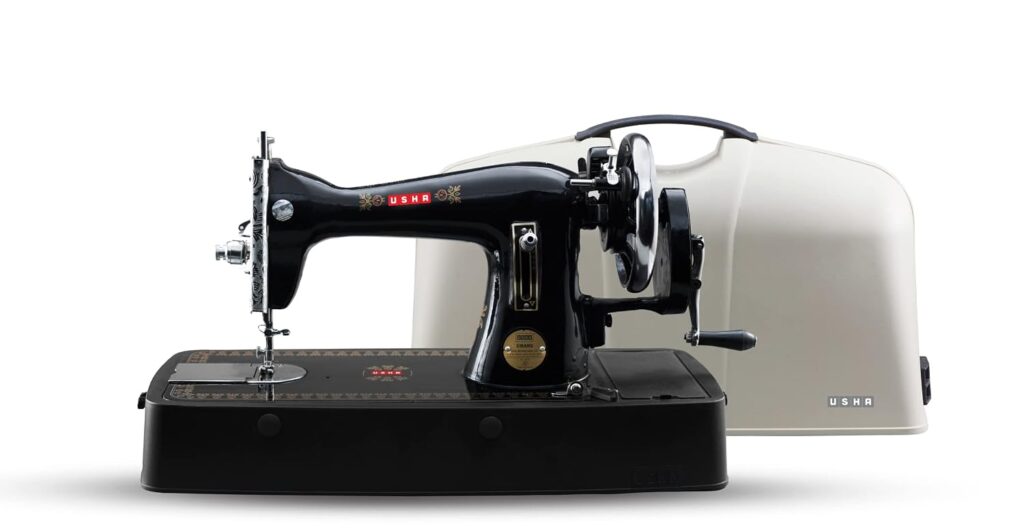
View the Usha Umang Sewing Machine and Current Offers on Amazon India
Usha Umang Sewing Machine: Key Features
1. Traditional Straight-Stitch Design
The Usha Umang is intended primarily for straight stitching, making it suitable for many everyday sewing jobs. Straight stitches are useful for joining fabric pieces, repairing seams, attaching simple panels, and carrying out basic alterations.
For example, you can use a straight-stitch machine to repair a split seam on a shirt, stitch a simple cotton cushion cover, or shorten the hem of a pair of trousers.
The main limitation is that this is not a feature-rich computerized machine. Buyers who need a wide selection of decorative stitches, automated buttonholes, or advanced garment-making functions should investigate other models.
2. Lever-Type Stitch Regulator
The machine includes a lever-type stitch regulator that helps control the stitching operation. This is a practical feature for people who want a traditional, mechanically controlled sewing experience.
Learning to manage stitch settings and fabric movement takes practice, but it can help users develop better control over seams and garment construction.
Before starting a project, test the settings on a fabric scrap. This is especially useful when working with thin cotton, thicker seams, or materials that behave differently under the presser foot.
3. Auto-Tripping Bobbin Winder
Winding the bobbin is an essential part of preparing a sewing machine. The Usha Umang includes an auto-tripping bobbin winder, which is designed to stop the winding action automatically when the bobbin reaches its intended fill level.
This can make preparation more convenient and reduce the need to monitor the winding process continuously.
Correct bobbin winding still matters. Uneven winding or incorrectly inserted thread can contribute to poor stitches, thread bunching, and other sewing problems. Follow the instruction manual when preparing the machine.
4. Adjustable Presser Pressure
The machine uses a screw-type pressure adjustment mechanism. This allows the pressure applied to the fabric to be adjusted according to the sewing requirements.
Different fabrics behave differently during stitching. Lightweight cotton, medium-weight woven fabric, and thicker material may require different handling and pressure settings.
The adjustment is useful, but it does not make the machine suitable for every fabric. Needle selection, thread quality, fabric thickness, and correct threading also affect the result.
5. Open-Type Shuttle Race
The open-type shuttle race is intended to make the bobbin and shuttle area easier to access for cleaning and maintenance.
Lint and loose thread can accumulate around the bobbin mechanism, particularly when a machine is used regularly. Keeping this area clean helps prevent avoidable stitching problems.
Switch off the machine before carrying out maintenance, and follow the manufacturer’s instructions for cleaning and oiling. Avoid applying oil indiscriminately, as not every component should be lubricated.
6. Hinge-Type Slide Plate
The hinge-type slide plate provides access to the bobbin area, making it easier to insert or remove the bobbin.
For beginners, learning this process is an important part of operating a traditional sewing machine. The first few attempts may take time, but practice can make bobbin replacement more straightforward.
Correct placement is essential. If the bobbin or thread is installed incorrectly, the machine may skip stitches, produce tangled thread, or fail to form a proper seam.
7. Plastic Base and Protective Cover
This model is sold with a plastic base and cover. The cover helps protect the machine when it is not being used, particularly in homes where dust can accumulate.
The supplied base also forms part of the machine’s overall setup. Buyers should check the current listing carefully to confirm the exact configuration and accessories included with the particular unit they intend to purchase.
8. Supplied Accessories
Available product descriptions list accessories such as an instruction manual, accessory box, oil bottle, screwdrivers, measuring tape, embroidery plate, needle threader, spool pins, bobbins, and needles.
These items can be useful when getting started, as they provide several basic tools needed for sewing and routine upkeep.
Package contents can vary by listing or production batch, so check the current Amazon product page before assuming every accessory will be included.
Stitching Performance: What Can You Expect?
The Usha Umang is best evaluated as a traditional machine for basic stitching rather than as an all-purpose modern sewing system.
Everyday Home Sewing
For common household tasks, the machine’s straight-stitch design is practical. Examples include repairing seams, stitching simple cloth bags, joining fabric panels, and making basic home-textile items.
The quality of the finished seam will depend on how well the machine is set up and how carefully the fabric is handled.
If you sew occasionally, this type of machine may provide the functions you need without requiring you to learn a large number of stitch programs.
Clothing Alterations
Simple alterations are another suitable use case. You may be able to shorten hems, repair loose seams, adjust straight seams, or modify basic woven garments.
For cleaner results, mark the stitching line before sewing and test the thread tension and stitch formation on a scrap of similar fabric.
Remember that not every alteration is a straight-stitch job. Stretch garments, complicated waistbands, and finishes that require elastic or decorative stitching may need additional techniques or a different machine.
Light and Medium-Weight Fabrics
Lightweight and medium-weight woven fabrics, such as many cotton materials, are reasonable starting points for practice and everyday sewing.
Results will depend on the specific fabric, needle, thread, and machine adjustment. Very delicate materials can pucker, while loosely woven fabrics may require more careful handling.
Beginners should practise on fabric scraps before working on finished garments.
Thick Fabrics and Multiple Layers
The machine’s adjustable presser pressure and traditional mechanical design are useful features, but they should not be interpreted as a guarantee that it can sew every heavy material.
Thick denim seams, several layers of canvas, upholstery material, and bulky folded hems can place greater demands on the needle and sewing mechanism.
If your main purpose is frequent heavy-duty sewing, compare machines specifically designed and rated for that workload. Avoid forcing thick fabric through the machine, as doing so may cause skipped stitches, needle breakage, or mechanical strain.
Stretch Fabrics
Stretch materials such as jersey and knitted T-shirts can be challenging on a straight-stitch-only machine. A conventional straight seam may break when the garment stretches unless the construction and intended use accommodate that limitation.
If you regularly sew leggings, stretch tops, or other elastic garments, look for a machine with suitable stretch-stitch options or consider a serger for relevant finishing work.
Performance takeaway: The Usha Umang is most appropriate for basic straight stitching, everyday repairs, and straightforward alterations. Its suitability decreases when projects require specialised stitches, consistent work on bulky materials, or advanced garment-making features.
Ease of Use: Is the Usha Umang Suitable for Beginners?
The answer depends on whether you want to learn traditional sewing or prefer automated assistance.
Learning the Basics
A traditional machine can help beginners understand how threading, bobbin placement, needle selection, fabric feeding, and stitch control work together.
These skills remain useful even if you eventually upgrade to a more advanced sewing machine.
However, first-time users should not assume that a mechanically controlled model requires no learning. Incorrect threading, unsuitable needles, and poor bobbin placement can all cause problems.
Getting Started More Easily
For your first sewing session, follow these steps:
- Read the supplied instruction manual before operating the machine.
- Check the needle and confirm that it is installed correctly.
- Thread the machine and wind the bobbin according to the instructions.
- Use a scrap of ordinary woven cotton to test stitch formation.
- Check the seam for loose loops, skipped stitches, or excessive puckering.
- Practise stitching straight lines before attempting garment alterations.
If the machine does not stitch correctly, stop and check the setup rather than repeatedly forcing it to operate.
Is It Convenient for Regular Use?
The machine’s accessible bobbin area and basic mechanical controls can suit users who are comfortable with traditional sewing equipment.
On the other hand, buyers who expect automatic needle threading, electronic stitch selection, built-in lighting, or a broad range of stitch patterns should check alternative models carefully. These features should not be assumed to be present on the Usha Umang.
Ease of Maintenance and Long-Term Ownership
Regular maintenance is important for any sewing machine, including traditional models.
Remove lint from the accessible bobbin and shuttle areas as directed in the manual. Use the recommended oil and lubrication points, and replace damaged or blunt needles when necessary.
If you notice unusual noise, persistent thread bunching, skipped stitches, or difficulty turning the mechanism, stop sewing and investigate the cause. Basic problems may come from incorrect threading or a damaged needle, but persistent mechanical symptoms may require professional servicing.
Before purchasing, check whether service support is available in your area and confirm the warranty terms for the seller’s current listing. The availability of accessories, replacement parts, and qualified technicians can influence the overall ownership experience.
A machine that meets your immediate sewing needs is only part of the decision; convenient maintenance and support matter too.
Usha Umang Sewing Machine: Customer Reviews and Feedback
Customer reviews are particularly useful when buying a sewing machine because they reveal potential problems that may not be obvious from the feature list.
The available online feedback for ASIN B00A20LK0C is mixed. One third-party listing has displayed a rating of approximately 3.6 out of 5 from more than 600 ratings, although ratings and review counts can change over time and differ between listings. Treat these figures as a snapshot rather than a verified current Amazon rating.
What Customers Like
1. Useful for basic home sewing
Some buyers describe the machine positively, saying it works well for everyday stitching and home use. This supports its appeal to people who primarily want to handle repairs and simple sewing projects.
2. Straightforward operation
Customers who are familiar with traditional sewing machines may appreciate the relatively simple mechanical design. It avoids the complexity of learning electronic controls and multiple stitch programs.
3. Positive impressions of durability
Some reviews describe the machine as sturdy, useful, or durable. These comments suggest that certain buyers have been satisfied with its construction and everyday functionality.
However, individual positive experiences do not establish how long every unit will last.
Common Complaints and Limitations
1. Inconsistent quality experiences
Some buyers have reported poor quality or dissatisfaction with their purchase. Other customers have expressed positive opinions, so the feedback does not establish a uniform experience across all units.
When ordering online, inspect the machine promptly after delivery and test it according to the manufacturer’s instructions.
2. Problems around the bobbin mechanism
One reported experience described an initial problem in the bobbin area that required assistance from customer support and a service agent.
Bobbin-related problems can sometimes result from incorrect threading or installation, but a persistent mechanical issue may require professional attention. Buyers should check whether servicing is conveniently available.
3. Some units reportedly fail to work properly
Negative feedback includes a report from a customer whose machine did not work as expected, alongside frustration about the return process.
Such reports do not prove that the model has a widespread defect, but they are a reason to check the seller’s return policy, warranty coverage, and delivery condition before buying.
4. Price dissatisfaction
Some buyers have complained about price changes and discounts appearing after their purchases. This is a shopping experience concern rather than evidence of poor stitching performance.
Compare the current selling price with the manufacturer’s suggested price and other authorised sellers before placing an order.
How Much Weight Should You Give These Reviews?
Look for repeated, specific complaints rather than relying on isolated one-star or five-star ratings. Reviews that explain the problem, how frequently it occurs, and whether it was resolved are generally more useful than comments that simply say the product is good or bad.
Also, remember that reviews about delivery, refunds, and customer support do not necessarily measure the machine’s stitching performance.
Overall, the feedback suggests that the Usha Umang can meet the needs of some basic home sewers, but buyers should not assume that every unit will arrive in perfect working condition or perform identically.
Usha Umang Sewing Machine Pros and Cons
Pros
- Practical straight-stitch design: Suitable for everyday repairs and simple sewing projects.
- Traditional mechanical controls: Appeals to people who prefer straightforward operation.
- Auto-tripping bobbin winder: Helps simplify bobbin preparation.
- Accessible bobbin area: The open-type shuttle race and hinge-type slide plate support routine maintenance.
- Adjustable pressure mechanism: Allows adjustment for different sewing requirements.
- Useful accessories: The advertised package includes several basic sewing and maintenance items.
- Established manufacturer: Usha provides official product information and customer-care contact details.
Cons
- Limited stitch versatility: It is primarily a straight-stitch machine, not a modern multi-stitch model.
- Learning is still required: Beginners must understand threading, bobbin placement, and mechanical adjustments.
- Mixed customer feedback: Some buyers report quality concerns and initial mechanical problems.
- Not ideal for every fabric: Stretchy materials and bulky seams can be challenging.
- No confirmed electronic conveniences: Buyers should not expect features such as automatic needle threading or computerized stitch selection.
- After-sales support matters: A mechanical issue can become inconvenient if servicing or returns are difficult.
The main trade-off is straightforward: you get a traditional machine focused on basic stitching, but you sacrifice the versatility and convenience of many modern electric sewing machines.
Who Should Buy the Usha Umang Sewing Machine?
Beginners Learning Traditional Sewing
Consider this machine if you want to learn fundamental sewing techniques and are comfortable practising the mechanical setup. It can help you understand stitching, threading, bobbin preparation, and fabric handling.
However, if you want the easiest possible introduction, a modern electric machine with a clear instruction guide and beginner-friendly features may be more convenient.
Families Needing a Home Sewing Machine
Households that frequently repair garments, replace loose seams, or stitch simple household fabrics may find the machine useful.
Its suitability depends on how frequently you sew and whether straight stitching covers most of your needs.
People Who Make Basic Clothing Alterations
If you regularly shorten hems, repair seams, or adjust simple woven garments, the Usha Umang is worth considering.
People who frequently alter stretchwear or work on complex garments should consider whether they need additional stitch options.
Hobbyists Making Simple Fabric Projects
The machine may suit straightforward projects such as cloth bags, cushion covers, basic aprons, and simple fabric accessories.
For quilting, decorative embroidery, complex garment construction, or projects that require several specialised stitches, a more versatile machine may be a better fit.
Who Should Look at Other Options?
Consider a different model if you need:
- Multiple decorative and stretch stitches.
- Automatic buttonhole functions.
- Frequent sewing through thick, bulky materials.
- Electronic controls and automatic threading conveniences.
- A machine specifically designed for intensive professional production.
Before purchasing, decide which features you will genuinely use. Paying for advanced functions makes little sense if you only repair occasional seams, but choosing a basic model can become frustrating if your sewing ambitions grow.
Buying Advice Before You Order
If the Usha Umang appears suitable for your needs, use this quick checklist before purchasing.
- Confirm the model: Make sure the listing corresponds to ASIN B00A20LK0C and the intended Umang composite configuration.
- Check the operating method: The manufacturer lists a hand-operated variant and mentions an option for motor operation. Confirm the exact configuration supplied by your seller rather than assuming a motor is included.
- Review the accessories: Check whether the plastic base, cover, needles, bobbins, and other advertised items are included.
- Compare prices: Check the current selling price against other reputable sellers.
- Read recent reviews: Focus on specific comments about stitching, mechanical problems, and product condition.
- Verify returns and warranty: Understand the applicable terms before ordering.
You can check the current listing, available offers, and buyer feedback here:
Check the Usha Umang Sewing Machine on Amazon India
Availability, pricing, and included accessories may change, so confirm the details displayed when you place your order.
Frequently Asked Questions
1. Is the Usha Umang sewing machine good for beginners?
It can suit beginners who want to learn traditional straight stitching. However, users must learn the correct threading and bobbin setup. If you prefer automated assistance and multiple stitch options, consider a beginner-oriented electric model.
2. Can I use the Usha Umang for home sewing?
Yes, its straight-stitch design is suitable for many basic home sewing tasks, including seam repairs, simple fabric projects, and straightforward alterations.
3. Can it stitch denim?
It may handle some ordinary denim sewing, depending on the fabric thickness, needle, and number of layers. Thick folded seams can be difficult. Test suitable material carefully and never force the fabric through the machine.
4. Can I sew stretch fabrics with this machine?
Stretch fabrics can be challenging on a straight-stitch-only machine because conventional straight seams may break when stretched. If you frequently sew knitted garments, look for a machine with suitable stretch-stitch capabilities.
5. Does the Usha Umang come with a motor?
The manufacturer lists a hand-operated version and mentions the option to operate the machine with a motor. Do not assume a motor is included with the ASIN listing. Confirm the exact package contents before buying.
6. Does it support decorative stitching?
The model is primarily designed for straight stitching. It should not be confused with Usha’s automatic zigzag and multi-stitch models, which offer different capabilities.
7. Is the Usha Umang suitable for professional tailoring?
It may be useful for some straightforward tailoring tasks, but professional suitability depends on workload, speed requirements, fabric types, and the features required for your work. For intensive commercial use, compare dedicated tailoring or industrial machines.
8. What should I do if the machine skips stitches or tangles thread?
Stop sewing and check the threading, bobbin placement, needle condition, and compatibility of the needle and thread with the fabric. Consult the manual. If the problem continues, contact an authorised service provider rather than forcing the mechanism.
9. Is the Usha Umang worth buying?
It may be worth considering if you primarily need a traditional straight-stitch machine for home repairs and basic sewing. The decision depends on its current price, the exact configuration offered, service availability, and whether its limitations match your needs.
Final Verdict: Should You Buy the Usha Umang Sewing Machine?
The Usha Umang Straight Stitch Composite Sewing Machine (B00A20LK0C) is a practical option to consider if you value traditional mechanical sewing and mainly need to complete basic stitching jobs at home.
Its lever-type stitch regulator, auto-tripping bobbin winder, adjustable pressure mechanism, and accessible shuttle area provide useful functions for everyday sewing. The advertised accessories can also help users get started with basic projects.
Its limitations deserve equal attention. The straight-stitch-focused design is less versatile than a modern multi-stitch machine, and available customer feedback includes complaints about quality and occasional mechanical problems. It is also not the obvious choice for frequent stretch-fabric work, advanced decorative sewing, or demanding heavy-duty projects.
Our recommendation: Consider the Usha Umang if your priorities are basic home sewing, garment repairs, and straightforward alterations. Before purchasing, confirm whether you are getting the hand-operated or motor-compatible configuration you want, check the included accessories, and review the seller’s return and warranty terms.
If you need greater stitch variety and automated convenience, compare it with a suitable electric sewing machine before deciding.
For buyers whose requirements match its traditional design, the Usha Umang is worth investigating. The best purchase is the one that fits your actual sewing workload, not simply the one with the longest feature list.
View the Usha Umang Sewing Machine and Current Offers on Amazon India