Introduction
A good sewing machine can make everyday clothing repairs, alterations, and creative projects much easier. Whether you want to shorten trousers, repair a torn seam, stitch new cushion covers, or learn how to sew your own clothes, choosing the right machine is an important first step.
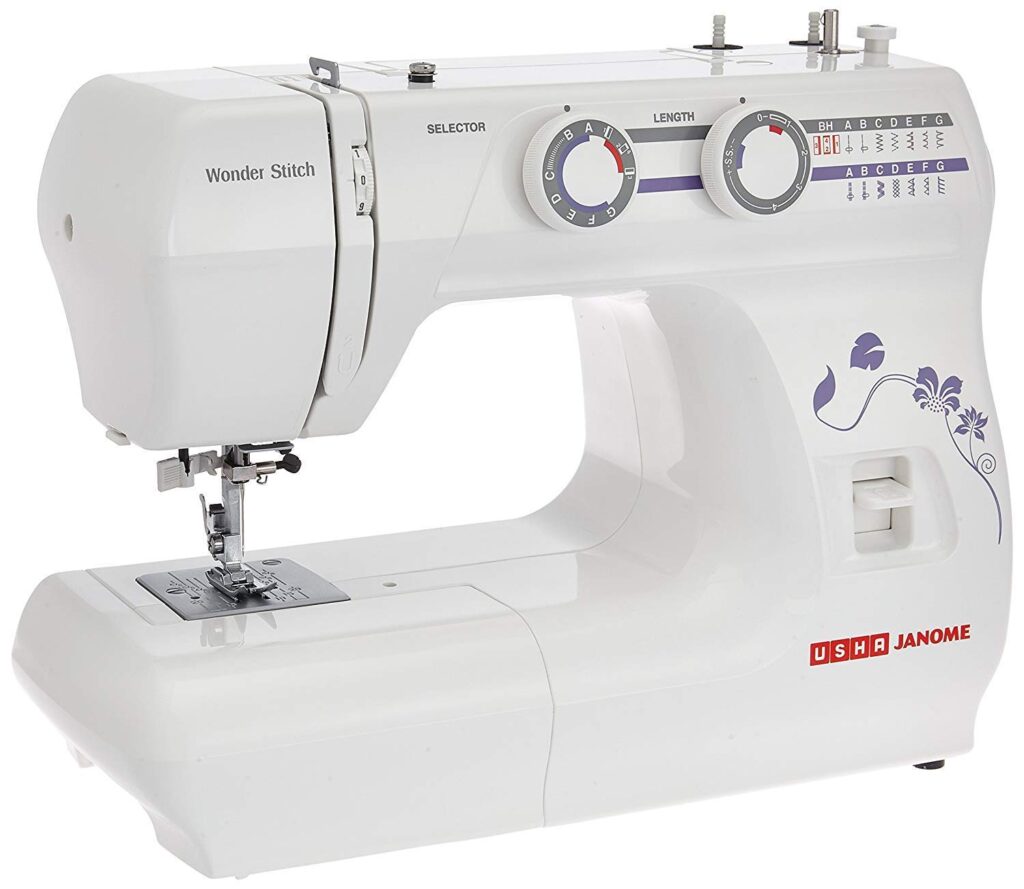
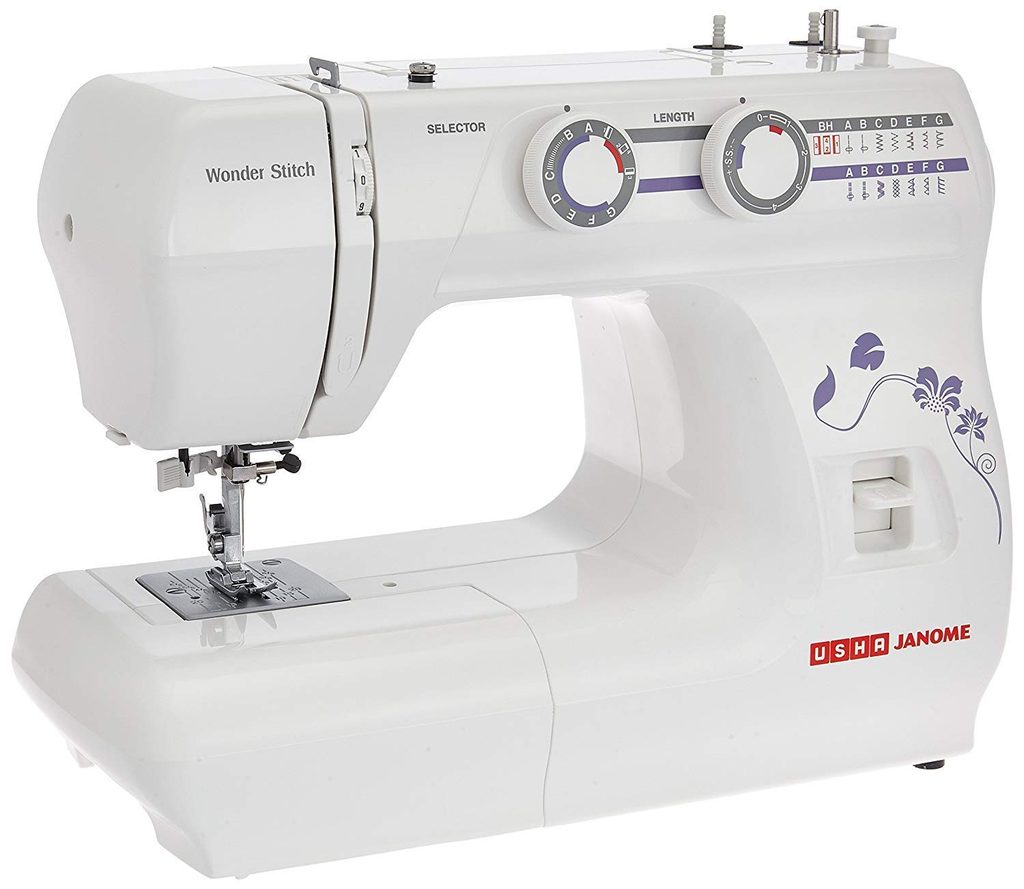
The USHA Janome Wonder Stitch Automatic Zig-Zag Sewing Machine is designed for home users who want a variety of practical sewing functions without moving to a fully computerized machine. It combines traditional dial-based controls with features such as automatic needle threading, a built-in sewing light, a feed-drop mechanism for embroidery-style work, and multiple stitch patterns.
The machine offers 13 built-in stitches and 21 stitch functions, making it suitable for a range of everyday sewing applications. It also includes a triple-strength stitch, free-arm sewing for circular items, and a four-step buttonhole function.
However, the feature list tells only part of the story. Buyers should also consider ease of use, fabric compatibility, maintenance, package contents, and the experiences of existing customers.
In this review, we examine the USHA Janome Wonder Stitch’s main features, stitching performance, advantages, limitations, and customer feedback to help you decide whether it is the right sewing machine for your needs.
Product name: USHA Janome Wonder Stitch Automatic Zig-Zag Sewing Machine
ASIN: B018KGIFP2
Variant: White – without Kit
View the USHA Janome Wonder Stitch on Amazon India
USHA Janome Wonder Stitch: Key Features
1. Thirteen Built-In Stitches and 21 Stitch Functions
One of the main attractions of the Wonder Stitch is its range of sewing options. USHA lists 13 built-in stitches and 21 stitch functions.
These numbers refer to different aspects of the machine’s capabilities, so they should not be interpreted as 21 entirely separate decorative stitch patterns.
The available functions support everyday sewing as well as selected garment-making and decorative applications. Depending on the stitch selected and the correct setup, these can include:
- Straight stitching for everyday seams and repairs
- Zig-zag stitching for finishing fabric edges
- Stretch stitching for suitable elastic fabrics
- Button fixing
- Zip fixing
- Rolled hemming
- Blind-stitch hemming
- Smocking and decorative work
- Buttonhole sewing
This variety is useful if you want one machine for several household sewing tasks rather than a basic straight-stitch model.
The Wonder Stitch uses a dial-type stitch selector. This traditional approach is relatively straightforward once you understand the stitch chart and the purpose of each pattern.
2. Automatic Needle Threader
Threading a sewing machine needle can be frustrating, particularly for beginners or people who find it difficult to see the needle eye clearly.
The Wonder Stitch includes an automatic needle-threading mechanism that helps simplify this step. After learning the correct procedure, you can use it to reduce the effort involved in preparing the machine.
It is not a completely automatic threading system for the entire machine. You still need to thread the upper thread correctly, prepare the bobbin, and follow the instructions for positioning the needle and using the threader.
If you are new to sewing, practise this process a few times before starting a project. Correct threading is important because mistakes can lead to skipped stitches, thread tangles, or uneven seams.
3. Triple-Strength Stitch
The triple-strength stitch is intended for seams that benefit from additional reinforcement.
It can be useful for selected garment seams and household projects where you want a stronger stitch than a basic straight stitch provides. However, it is not a substitute for choosing the correct needle, thread, stitch setting, and seam construction.
The result will depend on the fabric and how the seam is used. Test the stitch on a scrap of the same material before applying it to a finished garment.
Although this feature adds versatility, the Wonder Stitch should not automatically be considered a heavy-duty machine. Frequent work on thick upholstery, leather, or multiple layers of dense denim may require a machine specifically designed for those materials.
4. Feed-Drop Mechanism for Embroidery
The feed-drop mechanism allows the fabric-feeding system to be disengaged for certain free-motion sewing techniques.
This can help users explore embroidery-style stitching and decorative projects in which the fabric is guided manually. It gives the machine more creative flexibility than a model designed only for ordinary forward stitching.
Free-motion work requires patience. You must coordinate the movement of the fabric with the needle, and the quality of the result depends on practice and setup.
The feature does not make the Wonder Stitch a dedicated computerized embroidery machine. It does not replace the automatic designs and specialized functions available on embroidery-focused models.
5. Built-In Sewing Light
A built-in sewing light illuminates the area around the needle, making it easier to see your stitching line and fabric edges.
This is helpful when repairing dark garments, sewing in the evening, or working with small fabric details. Better visibility can also help beginners guide the fabric more accurately.
The light is convenient, but users who sew intricate designs or work in poorly lit rooms may still benefit from an adjustable desk lamp.
6. Free Arm for Circular Stitching
The free arm makes it easier to sew smaller, tube-shaped items such as sleeves, cuffs, and some trouser hems.
Instead of trying to fit the entire garment around a flat sewing surface, you can position the circular section around the free arm. This can make certain alterations less awkward.
The feature is particularly useful for people who repair clothes at home. It does not eliminate the need to position the fabric correctly, but it makes some narrow sections easier to handle.
7. Adjustable Stitch Length
The Wonder Stitch includes stitch-length control, allowing you to adjust the length according to the sewing task.
A shorter stitch may suit certain fine seams, while a longer stitch can be useful for temporary stitching or selected heavier fabrics. The best setting depends on the material, thread, and intended result.
One limitation is that USHA’s published specifications do not list independent stitch-width control for this model. The stated stitch width is 5 mm, but the machine does not offer the same width-adjustment flexibility as some more advanced models.
If changing zig-zag width is important to your projects, compare this limitation with the controls offered by other machines before purchasing.
8. Four-Step Buttonhole Function
The Wonder Stitch includes a four-step buttonhole function. This means you create a buttonhole by following a sequence of steps rather than completing the entire process in one automatic operation.
It can be useful when making shirts, dresses, children’s clothing, and other garments that require button closures.
Beginners should practise on scrap fabric before sewing buttonholes on finished clothing. Mark the buttonhole position carefully and use suitable stabilizing material when needed to help prevent stretching or distortion.
9. Thread Cutter and Auto-Tripping Bobbin Winder
USHA’s product information also lists a thread cutter on the face plate and an auto-tripping bobbin-winding system.
A thread cutter helps you trim thread after sewing without constantly reaching for scissors. The auto-tripping bobbin winder is designed to stop winding automatically when the bobbin reaches its intended fill level.
These features make routine sewing more convenient, although correct setup and occasional maintenance remain important.
Stitching Performance: What Can You Sew With It?
A sewing machine should be judged by the jobs it can perform consistently, not simply by its number of features.
Everyday Sewing and Clothing Repairs
The Wonder Stitch is designed for domestic sewing tasks such as repairing seams, stitching simple garments, joining fabric panels, and making household items.
Straight stitching handles many basic jobs, while zig-zag stitching can help finish raw edges and work with suitable stretch materials.
For everyday repairs, use the correct needle and thread for the fabric. Guide the material gently rather than pulling it through the machine, and check both sides of the seam to confirm that the stitches are forming properly.
Alterations and Hemming
Home alterations are a practical reason to consider the Wonder Stitch.
It can be useful for shortening trousers, adjusting sleeves, repairing open seams, and completing selected hemming tasks. Its blind-hem and rolled-hem applications provide additional options for different finishes.
However, these techniques require practice. A machine’s ability to perform a particular stitch does not guarantee a professional-looking result without the correct setup and fabric handling.
If you regularly alter clothes, practise on spare fabric and learn how to keep the hem even before working on garments you wear frequently.
Working With Different Fabrics
The Wonder Stitch is most appropriate for common home-sewing materials when the correct needle and settings are used.
Cotton and cotton blends: These are practical starting materials for beginners. They are useful for practising seams, making simple accessories, and learning stitch selection.
Lightweight linen: This can be suitable for garments and household projects, although the fabric may shift if it is not guided carefully.
Stretch fabrics: The available stretch-stitching options may help with suitable elastic materials. Use the recommended needle and test the settings because some knits can stretch or curl during sewing.
Medium-weight fabrics: Many ordinary garments and household projects can be manageable with the right needle, thread, and stitch settings.
Thick denim and upholstery fabric: These materials can be challenging, especially at bulky seams. The Wonder Stitch is not specified as a dedicated heavy-duty machine, so avoid assuming it will handle every thickness.
Leather and very dense materials: If these are your main sewing projects, look for a machine specifically designed for such materials rather than relying on a domestic zig-zag model.
The general rule is simple: test unfamiliar materials on an offcut and never force fabric through the needle area.
View the USHA Janome Wonder Stitch Sewing Machine on Amazon India
Ease of Use: Is It Good for Beginners?
The USHA Janome Wonder Stitch can be a reasonable choice for someone learning to sew at home. Its dial-based controls are familiar in style, and the automatic needle threader and built-in light offer useful conveniences.
However, it is not entirely automatic. Beginners must still learn how to wind and insert the bobbin, thread the machine, select stitches, adjust thread tension, and guide fabric evenly.
The four-step buttonhole function also requires more involvement than a one-step buttonhole system.
Tips for First-Time Users
- Read the instruction manual before operating the machine.
- Check that the needle is inserted correctly and the bobbin is positioned as instructed.
- Practise threading before starting a full project.
- Use scrap fabric to test stitch settings and thread tension.
- Begin at a controlled speed and avoid pulling the fabric.
- Clean the machine and follow the manufacturer’s maintenance recommendations.
If you have never used an electric sewing machine, a demonstration or beginner tutorial can make the learning process easier. Confirm whether the current seller includes any lessons, accessories, or additional materials with this specific variant.
The listing associated with this ASIN identifies it as the “without Kit” version. Do not assume it includes the same accessories as other Wonder Stitch bundles.
Pros and Cons of the USHA Janome Wonder Stitch
Pros
- Versatile for home sewing: Its 13 built-in stitches and 21 stitch functions support a variety of domestic sewing applications.
- Automatic needle threading: Helps simplify a task that many beginners find difficult.
- Built-in sewing light: Improves visibility around the needle.
- Feed-drop mechanism: Supports selected free-motion and embroidery-style techniques.
- Free arm: Makes sleeves, cuffs, and some circular sections easier to sew.
- Triple-strength stitch: Adds an option for suitable reinforced seams.
- Adjustable stitch length: Helps adapt stitching to different projects.
- Thread cutter and auto-tripping bobbin winder: Add convenience to routine sewing.
Cons
- No independent stitch-width control listed: Limits the ability to customize zig-zag width.
- Four-step buttonholes: Require more manual work than a one-step buttonhole system.
- Not a specialist heavy-duty machine: May not suit frequent work with thick or dense materials.
- Learning curve: Beginners still need to learn threading, tension, and stitch selection.
- Customer complaints about reliability and delivery: Some buyers have reported machines arriving non-functional or missing accessories.
- Variant confusion: The “without Kit” version may not include everything found in other bundles.
Customer Reviews: What Are Buyers Saying?
Customer feedback provides useful context, but individual experiences can vary. A third-party listing associated with ASIN B018KGIFP2 displays a rating of approximately 3.6 out of 5 from 30 reviews in one snapshot. This is not a guarantee of the current Amazon rating, and the rating or number of reviews may change.
The feedback includes both positive experiences and complaints that prospective buyers should consider.
Positive Feedback: Easy to Use for Home Sewing
Some buyers describe the machine as easy to use and suitable for domestic sewing. One reviewer praised its performance after purchasing it years earlier, while other comments highlight its usefulness for home-based work.
These experiences suggest that the Wonder Stitch can meet the needs of users who want a machine for regular household projects rather than specialist industrial sewing.
Ease of use is especially relevant for beginners. A machine with a clear stitch selector and practical everyday functions can be helpful once the user understands the basic setup.
However, positive individual reviews do not establish that every unit will perform identically or that the machine is suitable for all sewing workloads.
Complaints About the Bobbin Case
One customer reported problems with the bobbin case and thread, along with dissatisfaction about the response received from customer support.
Bobbin-related problems can interfere with stitch formation and may prevent a machine from working as expected. The review does not prove that the issue affects every unit, but it is worth taking seriously when considering a purchase.
Before assuming that a bobbin problem means the machine is defective, users should follow the manual’s instructions for inserting the bobbin, threading the machine, and cleaning the relevant area. If the issue persists on a new machine, contact the seller or authorized service provider rather than attempting a repair that could affect the warranty.
Reports of Machines Arriving Non-Functional
Another reviewer reported receiving a machine that was not working. This is a significant concern because a sewing machine should be ready to operate correctly after the specified setup.
A single complaint cannot establish how common this problem is, but it highlights the importance of checking the item immediately after delivery.
Inspect the machine for visible damage, verify the included parts, and test it using the manual’s instructions. Keep the packaging, invoice, and warranty documents until you are satisfied that everything works correctly.
Missing Hard Cover or Other Items
Some customer feedback mentions missing accessories, including a hard cover or demonstration material expected from the package.
The machine’s official product information lists a hard cover as a feature, but the ASIN is associated with the “without Kit” variant. Different bundles may include different extras, so buyers should compare the exact listing and package details before ordering.
If an item advertised in the specific listing is missing, document the issue and contact the seller promptly.
What Should You Take Away From These Reviews?
The available feedback suggests that many buyers appreciate the machine’s home-sewing capabilities, while some have experienced problems involving bobbin operation, delivery condition, and missing items.
The reviews do not establish a reliable long-term failure rate or prove that every machine has these issues. They do, however, make seller selection, delivery inspection, and access to service important parts of the buying decision.
Read recent reviews on the live Amazon listing before ordering, especially those that discuss the exact variant you plan to purchase.
Who Should Buy the USHA Janome Wonder Stitch?
Beginners Learning Sewing at Home
The Wonder Stitch is worth considering if you want to learn basic sewing and gradually explore different stitch functions. The automatic needle threader and built-in light are helpful, while the range of stitches offers room to develop your skills.
If you want the simplest possible machine, compare it with a more basic model that has fewer settings.
Home Users and DIY Enthusiasts
People who sew occasionally may appreciate the flexibility of a machine that can handle repairs, simple garments, and household projects.
The free arm and range of stitch functions can also be useful for people who enjoy making small accessories or personalizing clothes.
People Who Regularly Alter Clothes
If you often shorten trousers, adjust sleeves, repair seams, or work on simple garments, the Wonder Stitch offers useful functions for these tasks.
The key is to learn how to set up each stitch properly and choose a needle and thread suitable for the fabric.
Experienced Home Sewers
Experienced users may appreciate its traditional controls and practical stitch selection. However, anyone who requires adjustable stitch width, advanced computerized functions, or frequent heavy-material sewing should compare alternatives carefully.
Who Should Consider Another Machine?
Look elsewhere if your primary requirements are computerized embroidery, extensive stitch customization, industrial-level sewing, or regular work on leather and thick upholstery materials.
The Wonder Stitch is best considered a versatile domestic sewing machine rather than a specialist machine for every sewing task.
Frequently Asked Questions
1. Is the USHA Janome Wonder Stitch suitable for beginners?
Yes, it can be suitable for beginners who want a versatile electric sewing machine for home use. However, you will still need to learn threading, bobbin setup, stitch selection, and tension adjustment.
2. How many stitches does the Wonder Stitch have?
USHA lists 13 built-in stitches and 21 stitch functions. These are different measures of its capabilities and should not be interpreted as 21 entirely separate built-in patterns.
3. Can I use it for alterations and hemming?
Yes. The machine supports everyday stitching and applications such as blind-stitch hemming and rolled hemming. Practice and correct setup are necessary for neat results.
4. Can it sew denim and thick fabric?
It may handle some moderate materials with the right needle and technique, but it is not specified as a dedicated heavy-duty machine. Test carefully and avoid forcing bulky fabric through the machine.
5. Does it support embroidery?
The feed-drop mechanism supports selected free-motion and embroidery-style techniques. It is not a computerized embroidery machine with automatic designs.
6. Does it have an automatic buttonhole function?
No. The listed buttonhole function is a four-step process, which requires the user to complete a sequence of steps.
7. Does this ASIN include a sewing kit?
The listing associated with B018KGIFP2 identifies the variant as “White – without Kit.” Check the current Amazon product details for the exact package contents before ordering.
8. What should I do if the machine arrives damaged or does not work?
Inspect the machine and included parts as soon as it arrives. Keep the invoice and packaging, document any damage, and contact the seller or authorized service provider. Check the current return policy and warranty conditions.
9. Is the Wonder Stitch suitable for professional tailoring?
It may work for selected small-scale or home-based sewing tasks. However, professional users who sew continuously or regularly handle demanding materials should compare machines designed for their workload.
Final Verdict: Is the USHA Janome Wonder Stitch Worth Buying?
The USHA Janome Wonder Stitch Automatic Zig-Zag Sewing Machine offers a useful range of features for people who want to handle everyday sewing at home. Its 13 built-in stitches, 21 stitch functions, automatic needle threading, built-in light, free arm, feed-drop mechanism, and triple-strength stitch make it more versatile than a basic straight-stitch machine.
Its strongest use cases include clothing repairs, alterations, hemming, simple garment construction, and selected creative projects. Beginners may appreciate the automatic threader, while experienced home sewers can make use of the different stitch functions.
There are some important trade-offs. The four-step buttonhole function takes practice, independent stitch-width control is not listed, and the machine is not designed as a specialist heavy-duty model. Customer feedback also includes complaints about bobbin problems, non-functional deliveries, and missing accessories.
Our recommendation: Consider the Wonder Stitch if you want a multi-function sewing machine for household projects and are willing to learn its controls. Before buying, confirm that the listing matches the “without Kit” variant you want, read recent reviews, and check the seller’s return and warranty terms.
If you regularly sew very thick fabrics or need advanced stitch customization, compare it with models designed specifically for those requirements.
Ready to check the current offer?
View the USHA Janome Wonder Stitch Sewing Machine on Amazon India
Choose based on your sewing needs, the exact package contents, and the availability of after-sales support—not just the number of features in the product description.